(Page 22 of 41)
God Creates Life on Earth
Origins Page 65
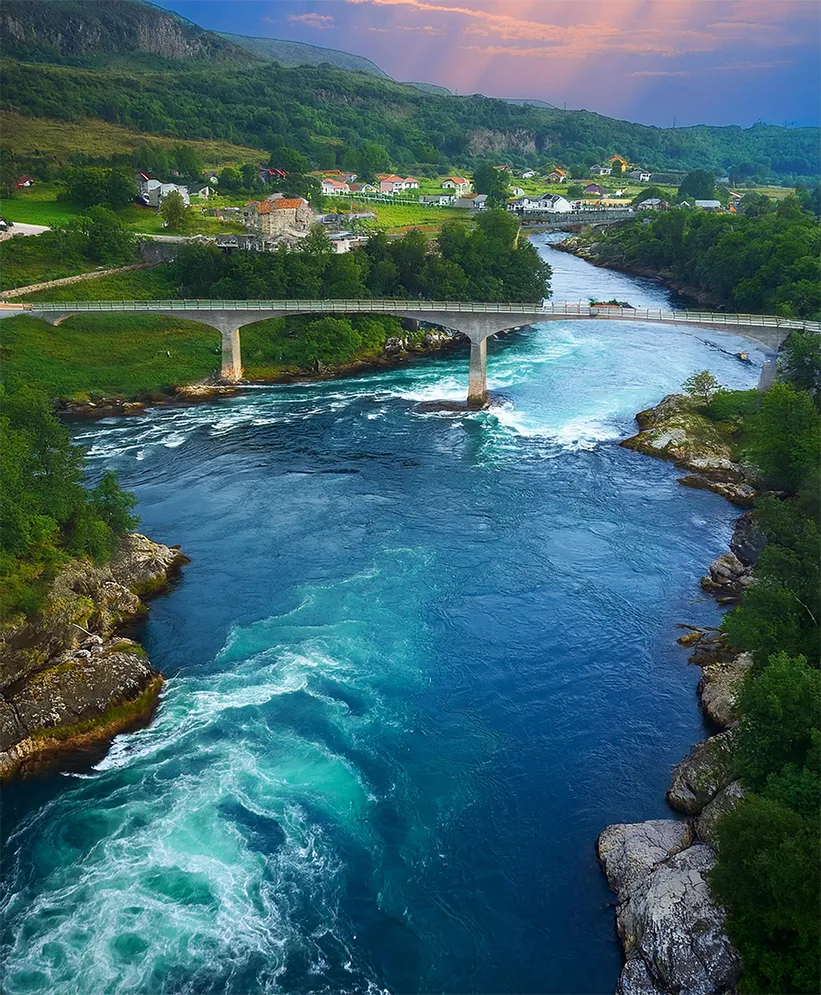
bulges, causing sea levels to always rise and fall in a predictable pattern. This continuous tidal cycle flushes bays, estuaries, and river systems with oxygenated and nutrient-rich waters that sustain marine environments and renew coastal habitats vital for long-term ecological health.
Beyond simply moving water, these tides drive
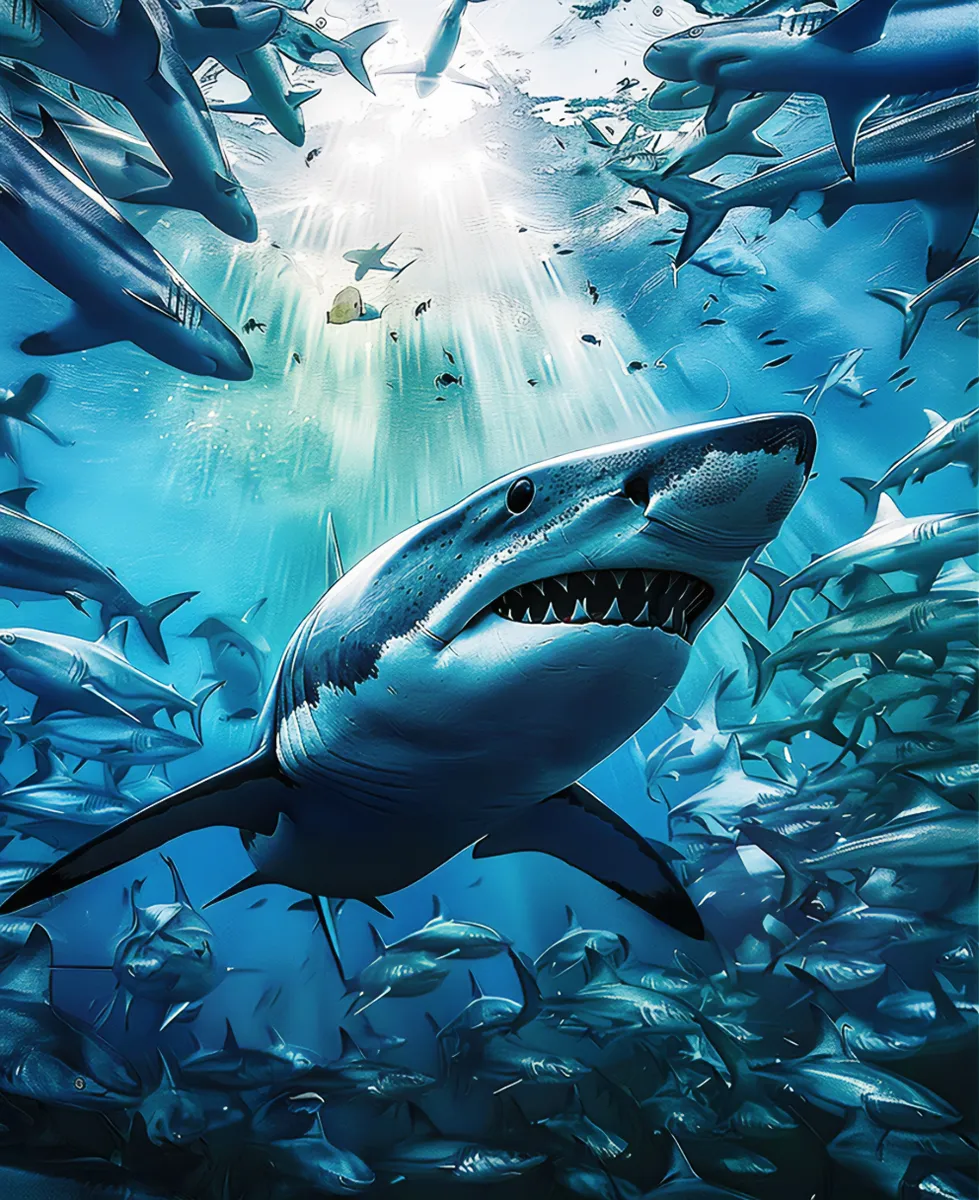
the marine biological rhythm of the ocean. They concentrate prey species, shape migration pathways, and create the natural conditions necessary for predatory interactions within complex, finely balanced marine ecosystems.
Rhythm, Climate, and Ocean Balance
The subtle pull of the Moon intricately controls the ebb and flow of the seas, playing a crucial role in regulating Earth’s climate and stabilizing coastal temperatures. The effect of the Moon’s gravity is

clearly seen in the predictable rise and fall of marine waters across the globe, occurring with remarkable consistency.
During extreme tidal events, such as king tides, this strong lunar influence becomes especially visible, dramatically exposing vast tidal flats and temporarily stranding vessels as the sea retreats. These powerful tidal cycles shape coastlines, govern human activity in tidal regions, and reveal the immense scale and precision of the Moon’s control over Earth’s oceans. h4>Ocean Circulation and Ecological Stability</h4
Currents, Nutrients, and Marine Life

Lunar-driven currents distribute oxygen and essential nutrients throughout the oceans, supporting life from microscopic organisms to the largest marine animals. Without the Moon’s influence, coastal and oceanic waters would not be regularly flushed and renewed, disrupting
habitats and limiting the circulation of life-sustaining resources.
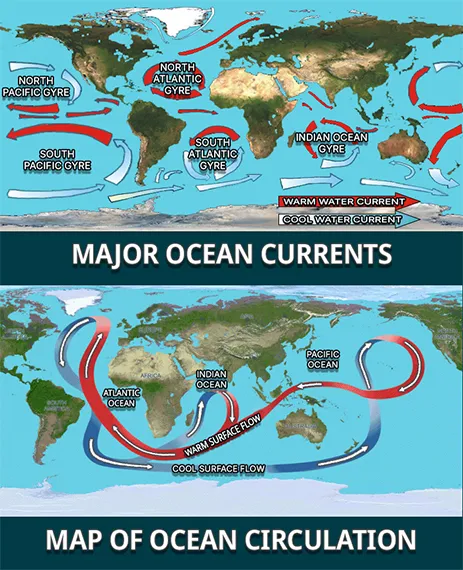
Ocean Circulation and Ecological Stability
Beyond shaping tides alone, the Moon’s gravity also influences large-scale ocean circulation, guiding the continuous movement of water across