(Page 21 of 41)
God Creates Life on Earth
Origins Page 64
life He had meticulously designed and was about to bring forth upon the Earth.
Stability, Seasons, and Planetary Order
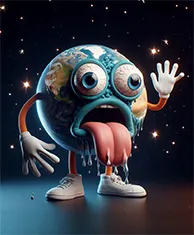
The Moon’s gravitational influence helps stabilize Earth’s axial tilt, maintaining predictable seasons and a climate suitable for life. Without this steadying presence, Earth would wobble erratically, producing extreme and chaotic climate variations that would severely hinder life’s ability to survive and flourish. Through the Moon, God established constancy amid motion — a quiet guardian of planetary order.
Tides, Currents, and the Nourishing Seas
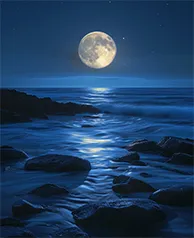
Beyond its stabilizing role, the Moon governs Earth’s tides, nourishing coastlines, supporting marine ecosystems, and sustaining biodiversity. Its gravitational pull drives the rhythmic movement of the oceans, shaping currents
and distributing nutrients essential for marine life. Even on land, lunar cycles can influence biological processes in plants, including blooming and fruiting.
Moonlight and the Rhythms of Life
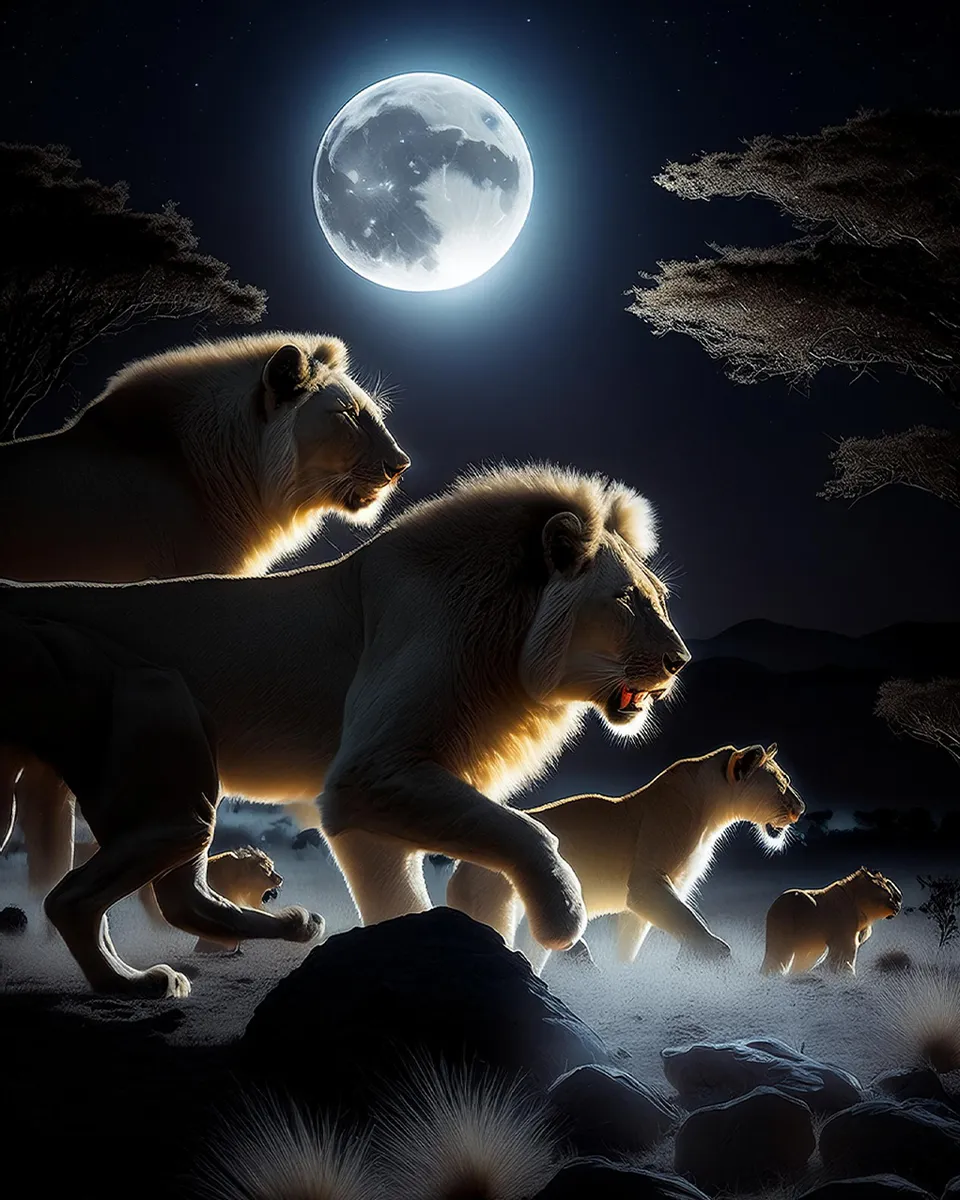
Moonlight also affects nocturnal animals, aiding navigation, communication, and hunting behaviors. In this way, the Moon participates in the daily and seasonal rhythms of life, influencing both land and sea in profound and interwoven ways.
The Captivating Beauty of the Moon
From the beginning, the Moon has shaped both the beauty and rhythm of life on Earth. Its predictable phases and gentle glow make it a familiar and comforting presence in the night sky, connecting humanity to the natural world and the passage of time.
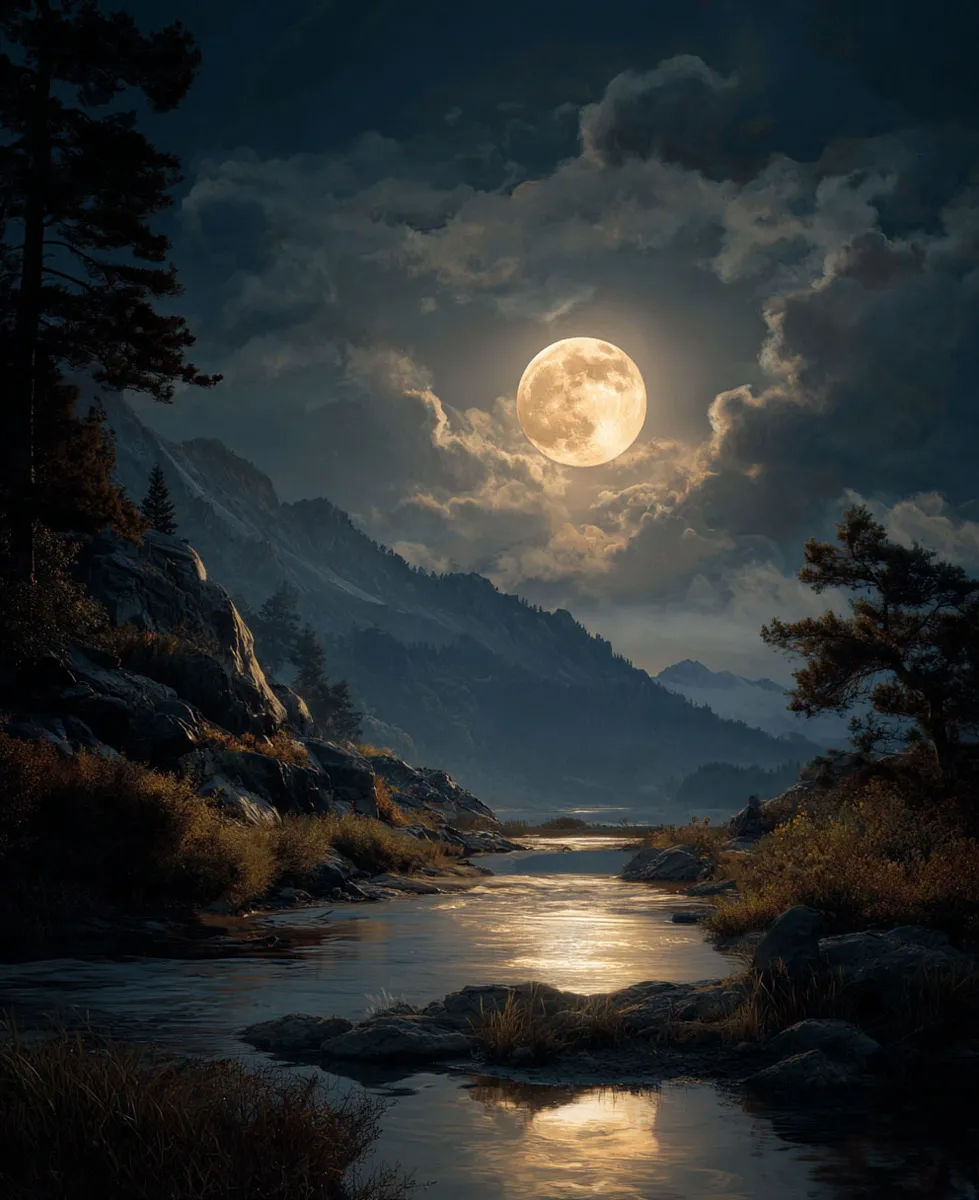
For thousands of years, the Moon has captivated human imagination, symbolizing beauty, mystery, and wonder. A full Moon rising over the landscape evokes awe and reflection, reminding us of God’s artistry woven into Creation itself.
Earth’s Tidal Flow
The Gravitational Source of the Tides
The Moon’s gravity pulls on Earth’s oceans, causing ocean water to gather and form gentle bulges on opposite sides of the planet. One bulge forms on the side of Earth facing 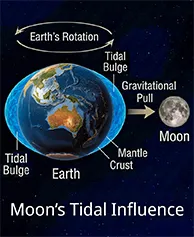 the Moon, where gravitational pull is strongest, while a second bulge forms on the opposite side as Earth and its oceans move together through space.
As the Earth rotates, different coastlines pass through these gravitational