(Page 36 of 39)
God Creates Life on Earth
Origins Page 40
The Genetic Blueprint Within Seeds

Within a common tiny plant seed lies one of the most astonishing designs in all of Creation — a complete genetic blueprint written by the hand of God. Inside its microscopic cells, billions of precise genetic instructions are coded into the seed’s DNA, directing how it will sprout, grow, branch, flower, and reproduce.
DNA (deoxyribonucleic acid) functions like a Divinely engineered information system. Each molecule is composed of four chemical “letters”
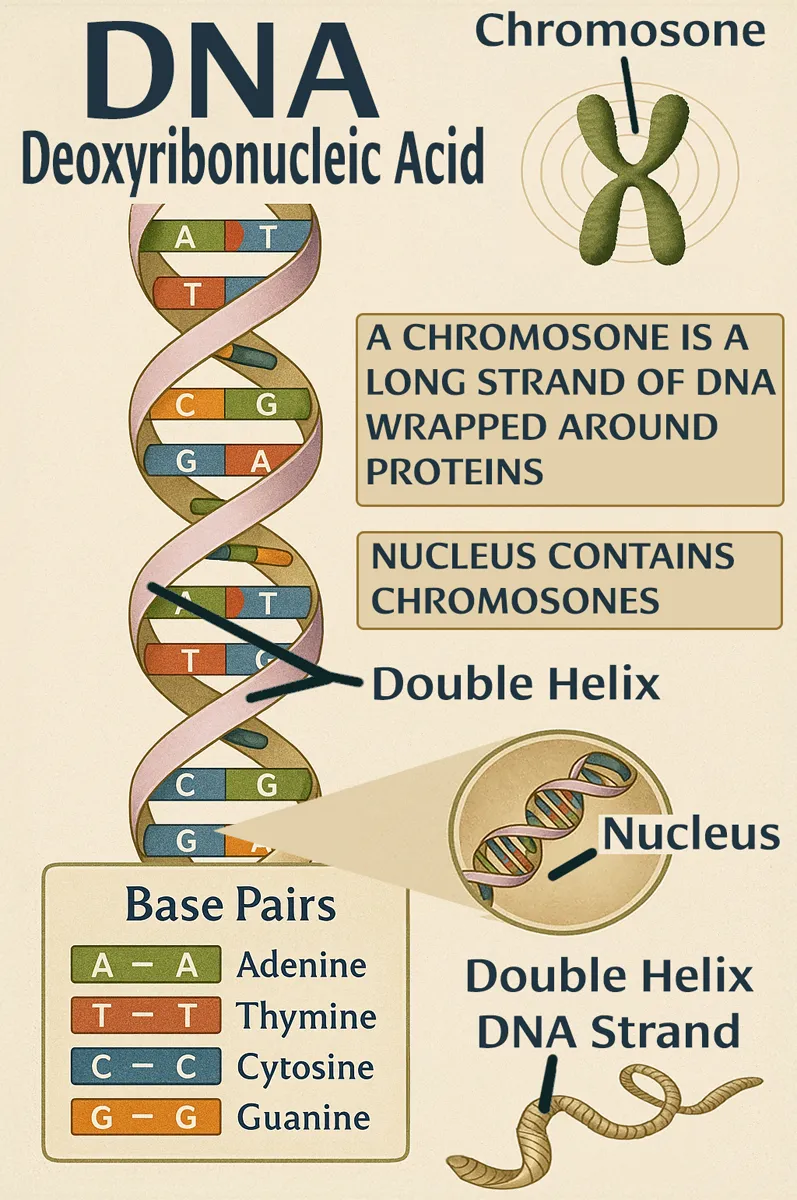
— adenine, thymine, cytosine, and guanine — arranged in precise sequences that form an instruction set far more complex than any human code. These base pairs are folded and coiled into chromosomes that fit inside a single cell nucleus smaller than a speck of dust.
🌱 Typical Size of a Plant Cell Nucleus
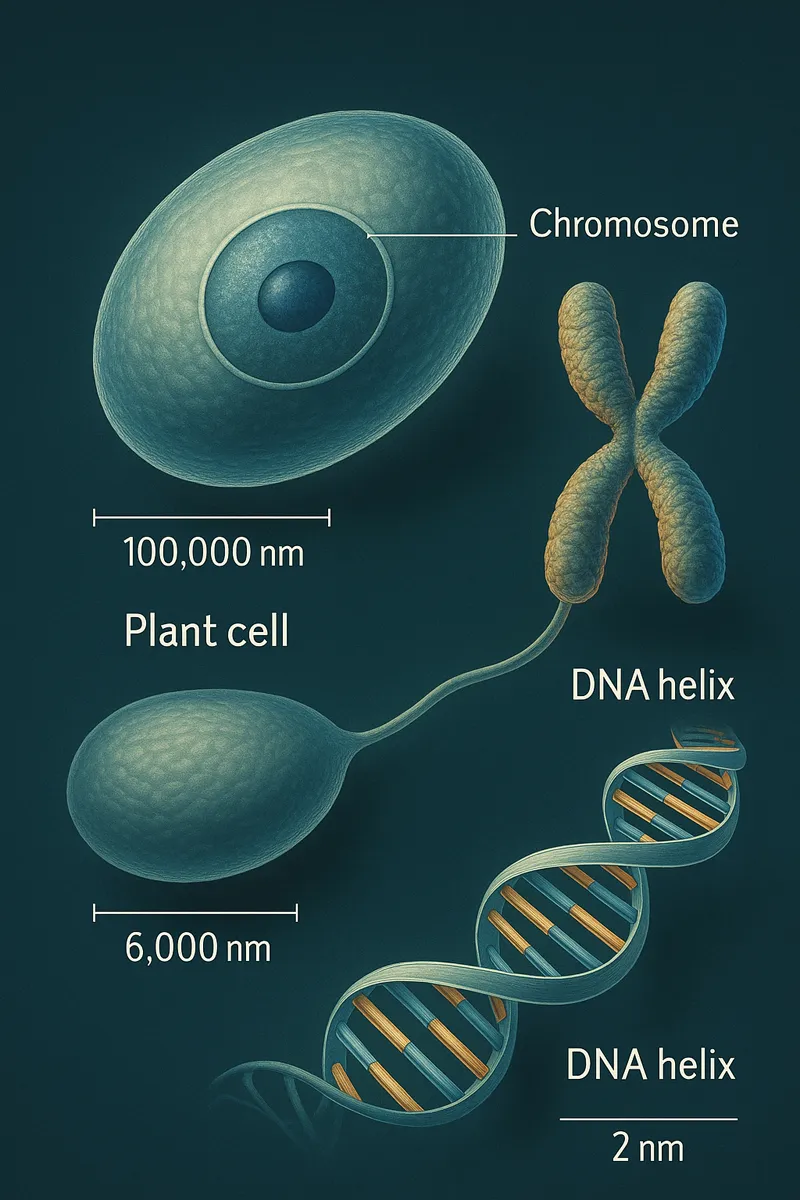
- Diameter range: approximately 5,000 to 10,000 nanometers (5–10 µm).
- Average value: about 6,000–8,000 nanometers (6–8 µm).
- The nucleus in a seed cell is thousands of times larger than a DNA molecule, yet smaller than the width of a human hair (80,000–100,000 nm).
🔬 Context within the Seed Cell
- Each nucleus contains multiple chromosomes, composed of tightly coiled DNA strands.

- If the DNA from a single nucleus were uncoiled and stretched out, it could measure nearly 2 meters in length.
- This extraordinary level of compression within a sphere only a few micrometers wide illustrates Divine efficiency and design.
📚 The Vast Library within Seed DNA

Yet the amount of information stored within its DNA is staggering. Scientists tell us that the genetic data contained in just one seed is so vast that, if written out in human language, it could fill entire libraries of books.
In fact, the DNA inside a single seed contains more organized knowledge than thousands of encyclopedias combined — a living archive of instructions compacted into microscopic strands, each one perfectly ordered to sustain and reproduce life.
🌱 A Self-Regulating Intelligence
Each strand of DNA carries not only the code for structure and growth, but also the instructions for timing, adaptation, and environmental response — enabling a plant to sense temperature, light, and moisture, and adjust its growth accordingly.