(Page 18 of 39)
God Creates Life on Earth
Origins Page 22
itself. With elegant efficiency, plants not only nourish themselves but also generate energy that sustains nearly every living creature on Earth.
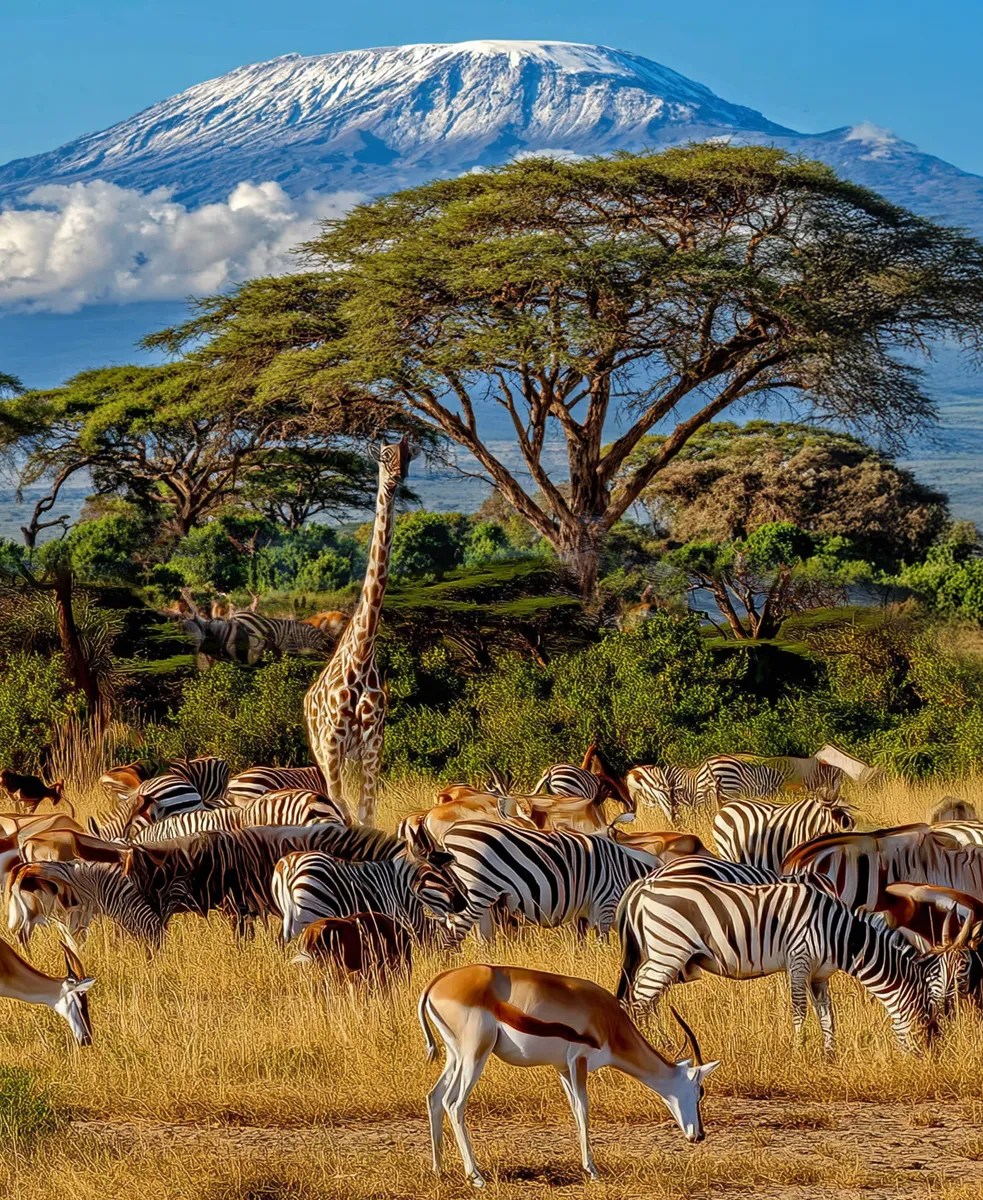
The sugars produced through photosynthesis feed herbivores, which in turn sustain carnivores, creating vast food chains and webs that support ecosystems across the planet. At the same time, photosynthesis releases oxygen into the atmosphere — the very breath required for animal and human life. Every breath we take carries the imprint of this process, a silent witness to God’s foresight and provision.
Photosynthesis and the World’s Resources

Without photosynthesis, the Earth would be barren. With it, forests rise, crops flourish, oceans teem with plankton, and animals find food and shelter.
Even fossil fuel energy finds its origin in ancient photosynthesis, when vast
forests captured sunlight, and the devastation of the Great Flood locked its power away deep in the Earth. Thus, whether in the air we breathe, the  food we eat, or the energy we use, photosynthesis fuels life at every level.
The Creator made this process not only to feed herbivores and humans but also to renew the very air we breathe — a daily gift of life woven into the order of Creation.
Lignin: The Strength of Trees and Plants
God’s Hidden Building Block
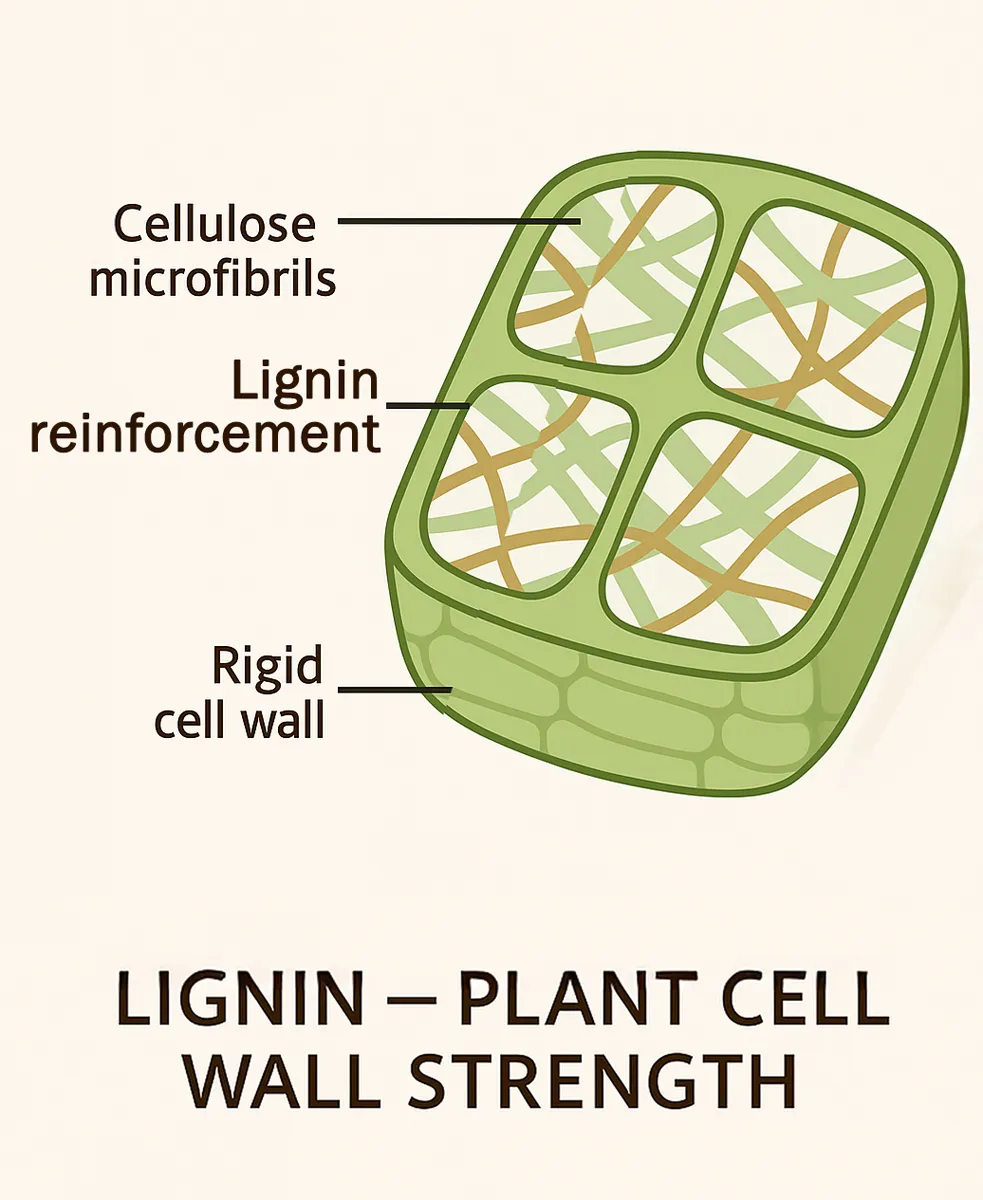
At the heart of the plant kingdom lies a remarkable substance called lignin — one of God’s hidden building blocks in Creation. Lignin is a complex organic polymer interwoven into plant cell walls, where it binds with cellulose fibers to provide rigidity and support.

Lignin is the woody substance with a molecular framework that turns fragile green shoots into firm stems, solid trunks, towering trees, and majestic forests. Yet without lignin, plants could not form strong, upright structures, nor could trees stretch their branches heavenward toward the light of the Sun.
The Gift of Strength and Durability
Lignin does far more than simply harden plant cell walls. It provides durability, making wood  resistant to decay and enabling plants to withstand stresses from wind, weather, and the passage of time. Without lignin, trees would lack the strength to rise tall, and even small plants would collapse under their own weight.
Waterproofing and Water Transport
Another critical role of lignin is waterproofing plant cell walls. This sealing property allows for